
Best Diabetologist in Nashik
Who is Diabetologist?
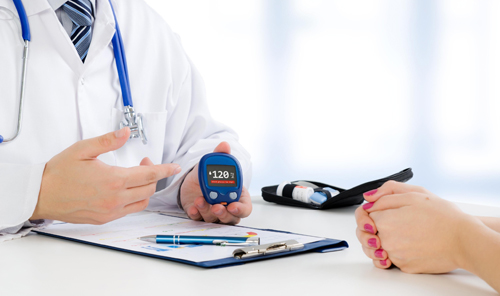
Diabetes Doctor, diabetologist, or endocrinologist is a doctor who specializes in diagnosing and treating different types of diabetes and their complications.They understand how your body controls Blood Sugar levels, as well as problems related to the pancreas and insulin production. They advise you on how to maintain stable blood sugar levels in order to stay healthy.Dr Abhijit Rane is one of the Best Diabetologist in Nashik.
Role of Diagnosis and Monitoring in Diabetes
Diagnosis and Monitoring Play a central role in the effective management of diabetes, forming the foundation for long-term disease control and prevention of complications.Accurate diagnosis and proper classification of diabetes such as type 1, type 2, or gestational diabetes—are achieved through detailed clinical evaluation and laboratory tests including fasting Blood Glucose, oral glucose tolerance test, and HbA1c levels.Correct classification is critical because each type of diabetes differs in cause, progression, and treatment approach.Schedule an Appointment with Best Diabetologist in Nashik.
Once diagnosed, continuous monitoring of blood glucose levels becomes essential to assess how the disease is progressing and how well the treatment plan is working. Regular monitoring helps patients and healthcare providers understand daily glucose fluctuations, evaluate the impact of diet,exercise, and medications, and maintain blood sugar levels within the target range. Tools such as glucometers and continuous glucose monitoring systems improve accuracy and consistency.
Equally important is the early identification of diabetes-related complications, including neuropathy, nephropathy, retinopathy, and cardiovascular disease.Ongoing monitoring allows timely detection of warning signs, enabling early intervention. This helps in selecting and adjusting the most appropriate treatment plan, reducing the risk of severe complications, improving quality of life, and lowering long-term healthcare costs.Schedule an Appointment with Best diabetologist in Nashik
Treatment Planning
Diabetes treatment focuses on controlling blood sugar levels, preventing complications, and improving overall quality of life. It mainly involves lifestyle changes, medication, and regular monitoring.
A healthy diet is the foundation of diabetes treatment. Patients are advised to eat balanced meals that include whole grains, vegetables, lean proteins, and healthy fats, while limiting their intake of sugar, refined carbohydrates, and processed foods. Regular meals help maintain stable blood glucose levels. Physical activity is just as important.Regular physical activity, such as walking, cycling, or yoga, improves insulin sensitivity and helps control weight.Schedule an Appointment with us Best Diabetologist in Nashik.
Medications depend on the type of diabetes. In type 1 diabetes, insulin therapy is essential because the body cannot produce insulin. In type 2 diabetes, oral medications like metformin are often prescribed, and insulin may be added if blood sugar remains uncontrolled. These medicines help the body use insulin effectively or reduce glucose production.
Regular monitoring of blood sugar levels allows patients and doctors to adjust treatment as needed. Routine checkups are necessary to monitor blood pressure, cholesterol, kidney function, eyes, and feet to prevent complications.Stress management, adequate sleep, and quitting smoking also play a key role. With proper treatment and discipline, diabetes can be effectively managed.
Treatment for Diabetes
Treatment of diabetes usually involves a multidisciplinary team.The diabetologist coordinates diabetic educators, nurses, podiatrists, ophthalmologists and renal physicians to educate, treat and monitor a patient.Treatment usually involves medications either orally or insulin injections.
What to Expect at your visit
- Current Symptoms
- Duration of illness
- Complications of diabetes
- Level of control you have had other illnesses Medications
Treatments
Treatment of diabetes usually involves a multidisciplinary team.The diabetologist co-ordinates diabetic educators, nurses, podiatrists, ophthalmologists and renal physicians to educate, treat and monitor a patient.Treatment usually involves medications either orally or insulin injections.
What to Expect at your first visit with Diabetologist
- Current Symptoms
- Duration of illness
- Complications of diabetes
- Level of control you have had
- other illnesses
- Medications
Common Causes
Diabetes develops due to a combination of genetic, lifestyle, and hormonal factors. This means diabetes is rarely caused by just one reason; instead, several internal and external factors work together to affect how the body controls blood sugar. A family history of diabetes increases risk by passing down genes that affect insulin function. If parents or close relatives have diabetes, a person may inherit genes that make insulin production or action weaker. Obesity or being overweight leads to insulin resistance, where the body cannot use insulin effectively. Excess body fat, especially around the abdomen, interferes with how insulin helps glucose enter cells. An unhealthy diet high in sugar and refined foods, along with lack of exercise, worsens blood sugar control. Such habits cause frequent blood sugar spikes and reduce the body’s ability to regulate glucose properly. Hormonal changes during pregnancy or from thyroid disorders can disrupt insulin balance. Hormones can either block insulin action or increase blood sugar levels. Chronic stress and a sedentary lifestyle raise cortisol levels, reduce physical activity, and further impair insulin sensitivity, increasing the likelihood of developing diabetes over time.
Prevention
A healthy lifestyle is maintained through balanced daily habits. Eat nutritious foods such as fruits, vegetables, whole grains, and lean protein, and limit your consumption of sugar and junk food. Stay physically active by exercising regularly, walking, or doing yoga. Get enough sleep so that your body and mind can recover.Drink plenty of water to stay hydrated. Manage stress through meditation, hobbies, or deep breathing. Avoid smoking, excessive alcohol consumption, and drugs. Take care of your personal hygiene and get regular checkups. Finally, build positive relationships and maintain a positive attitude to stay healthy in the long term. With consistency and discipline, these simple measures will become lasting healthy habits.
Frequently Asked Questions
1)What is a Diabetologist?
A diabetologist is a doctor who specializes in diagnosing and managing diabetes. They focus on blood sugar control, diabetes medications, insulin therapy, lifestyle changes, and preventing diabetes-related complications.
2)What is an Endocrinologist?
An endocrinologist treats disorders related to hormones and the endocrine system. This includes diabetes, thyroid diseases, growth disorders, adrenal problems, osteoporosis, and hormonal imbalances.
3)Is a Diabetologist different from an Endocrinologist?
Yes.A diabetologist deals only with diabetes, while an endocrinologist treats diabetes and other hormone-related conditions. Many endocrinologists also function as diabetologists.
4)When should I see a Diabetologist?
You should consult a diabetologist if you have uncontrolled blood sugar, frequent hypoglycemia, newly diagnosed diabetes, gestational diabetes, or diabetes-related complications.
5)When should I see an Endocrinologist?
Visit an endocrinologist if you have diabetes along with thyroid issues, PCOS, hormonal imbalance, obesity linked to hormones, delayed puberty, or unexplained weight changes.
6)Do these specialists prescribe insulin?
Yes,Both Diabetologists and endocrinologists are trained to prescribe insulin, adjust doses, and educate patients on proper insulin use.
7)Can they help prevent diabetes complications?
Absolutely. Regular follow-ups help prevent complications affecting the eyes, kidneys, nerves, heart, and feet.
8)Do I still need lifestyle changes if I’m on medication?
Yes—no shortcuts here. Diet control, exercise, weight management, and regular monitoring are essential, even with medication.