
Best Hypertension Treatment in Nashik
The Force of blood pressing against the walls of the arteries is known as blood pressure.Blood travels from your heart to various regions of your body via arteries.During the day,your heart rate rises and falls.Dr.Abhijit is one of the Best Hypertension Treatment in Nashik.
What are the types of High Blood Pressure?
One of two forms of high blood pressure will be diagnosed by your doctor:
Primary (also called essential) high blood pressure.Aging and bad behaviors like not getting regular exercise are two of the most prominent causes of this sort of High Blood Pressure.Secondary high blood pressure.Aging and bad behaviors like not getting regular exercise are two of the most prominent causes of this sort of high blood pressure.Get Your Blood pressure Test done Regulary on daily basis.Visit Best Hypertension Treatment in Nashik.
Hypertension
Hypertension, commonly known as High Blood Pressure, is a long-term condition in which the pressure of blood flowing through the arteries remains higher than normal.This happens when the heart works harder than it should or when blood vessels become narrow.Many people do not notice any symptoms, which is why hypertension is often called a silent disease.blood Presure is silent killer.Blood Pressure is the amount of force your blood uses to get through your arteries.Schedule an Appointment Best Hypertension Treatment in Nashik.
If left untreated, high blood pressure can cause serious damage to vital organs such as the heart, brain, kidneys, and eyes. It significantly increases the risk of heart attack, stroke, kidney disease, and vision loss.common reasons include high salt intake, lack of exercise, stress, obesity,smoking, alcohol consumption, and genetic factors.
Effective management includes a healthy diet, regular physical activity,stress control,and medications when needed. Find the Best Hypertension in Nashik ensures accurate diagnosis, proper treatment,and long-term control through regular monitoring and expert medical care.
Hypertension Treatment
Hypertension, or High Blood Pressure,happens when the pressure of blood flowing through your arteries remains high over time. It’s most often linked to everyday lifestyle factors like eating too much salt, being overweight, not exercising enough, ongoing stress, smoking, and heavy alcohol consumption.Family history also matters—if high blood pressure runs in your family, your chances increase.As we age, arteries naturally become stiffer, which further raises risk. In some cases, high blood pressure develops because of other health problems such as kidney disease, Hormonal Imbalances sleep apnea or long-term use of certain medicines like pain killers or oral contraceptives.
Causes
Hypertension, or high blood pressure, happens when the pressure of blood flowing through your arteries remains high over time. It’s most often linked to everyday lifestyle factors like eating too much salt, being overweight, not exercising enough, ongoing stress, smoking, and heavy alcohol consumption. Family history also matters—if high Blood Pressureruns in your family, your chances increase.As we age, arteries naturally become stiffer, which further raises risk.In some cases, high blood pressure develops because of other health problems such as kidney disease, hormonal imbalances, sleep apnea, or long-term use of certain medicines like painkillers or oral contraceptives.
Best Hypertension Treatment in Nashik focuses on a balanced approach that combines lifestyle changes with medical care. This usually starts with simple but powerful steps like cutting down on salt, eating more fruits and vegetables, staying physically active, losing excess weight, managing stress, and quitting smoking. When lifestyle changes alone aren’t enough, doctors may recommend medications such as diuretics, ACE inhibitors, calcium channel blockers, or beta-blockers. Treatment is often long-term, with the clear goal of keeping blood pressure under control and preventing serious complications like heart attack, stroke, kidney Damage and vision problems.
Symptom
High Blood Pressure is a chronic condition in which the pressure of the blood against the artery walls is permanently elevated.It is often referred to as the silent killer.Because many people suffer from it for years without experiencing any obvious symptoms.Most people with high blood pressure feel completely normal.When symptoms do occur — usually with advanced or dangerously high blood pressure — they may include persistent headaches, Dizziness, Blurred Vision, Chest Pain, Shortness of Breath, Nosebleeds, Fatigue, or Heart Palpitations.In severe cases, uncontrolled high blood pressure can lead to confusion, nausea, or even fainting.Because the symptoms are unreliable,Regular blood pressure checks are essential.
Dr.Abhijit Provides personalized hypertension management plans focusing on lifestyle, medication, and long-term cardiovascular health.
Causes
High Blood Pressure is broadly divided into primary and secondary hypertension.Primary (essential) hypertension develops gradually over time and has no clearly identifiable cause. It is closely related to genetics, aging, obesity, Lack of exercise, high salt intake, excessive alcohol consumption,chronic stress and smoking.Schedule an Appointment with Best Hypertension Treatment in Nashik.
Secondary Hypertension results from an underlying condition such as Kidney Disease, Hormonal Disorder,Heart Defects, Sleep Apnea, or the use of certain medications such as steroids, painkillers, or oral contraceptives.
If left untreated, high blood pressure can damage vital organs and increase the risk of heart attack, stroke, kidney failure, and vision loss.The reality is blunt:High blood pressure does not have to show symptoms to be dangerous. Early detection and lifestyle changes are crucial for controlling the disease and preventing long-term damage.
Treatment
Treatment of Hypertension (high blood pressure) focuses on lowering blood pressure to prevent complications like heart attack, stroke, and kidney disease.Management usually starts with lifestyle changes.These include reducing salt intake, eating a balanced diet rich in fruits and vegetables (such as the DASH diet), maintaining a healthy weight, exercising regularly, limiting alcohol, quitting smoking, and managing stress.These steps alone can significantly lower blood pressure, especially in early stages.
If lifestyle measures are not enough, medications are added.Common drugs include diuretics (which remove excess salt and water), ACE inhibitors and ARBs (which relax blood vessels), calcium channel blockers (which reduce vessel stiffness), and beta-blockers (which slow the heart rate).Often, more than one medicine is needed.Treatment is usually lifelong, with regular blood pressure monitoring and follow-up.The Goal is not just control, but consistent control—because uncontrolled hypertension is silent, but its damage is not.So Schedule an Appointment Best Doctor For Hypertension Treatment in Nashik.
For someone with hypertension (high blood pressure),precautions aren’t optional—they’re non-negotiable if you want to avoid heart attack, stroke, kidney failure, or vision loss. Here’s the straight-up, practical playbook.
Take Medicines Seriously
Taking Medicine regularly requires consistency and planning. First, follow the prescribed dosage and timing exactly as your doctor instructs. Use pill organizers or weekly boxes to keep track. Set alarms or phone reminders to avoid missing doses. Keep your medicine in a visible,safe place and maintain a routine, like taking it with meals or before bed.Record each dose in a log or app to monitor adherence. Never skip doses or double up without guidance.Consistent intake ensures the medicine works effectively, prevents complications, and helps your doctor assess progress accurately.By taking Your Medicine Regulary one can keep Monitor Blood Pressure.So Visit Best Hypertension Treatment in Nashik.
Monitor Blood Pressure Regularly
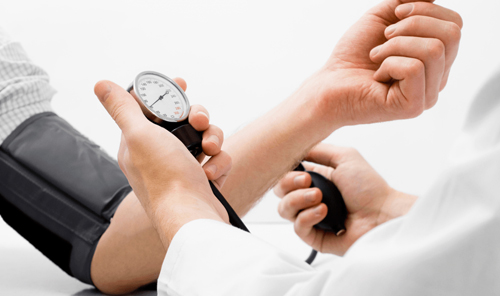
Blood Pressure is monitored regularly using simple,reliable methods to track how forcefully blood moves through the arteries. The most common method is home monitoring with a digital blood pressure monitor and an upper-arm cuff.Readings are usually taken while sitting calmly, with the arm supported at heart level, and recorded daily or several times a week.Clinic or hospital checks are done during routine visits using manual or automated cuffs, though these readings can sometimes be higher due to stress.
For more accurate assessment,24-hour ambulatory Blood Pressure monitoring may be used; a portable device records readings throughout the day and night. Some smartwatches and fitness devices can track trends but are not fully accurate.Keeping a blood pressure log helps doctors identify patterns, assess treatment effectiveness, and adjust medications, making regular monitoring essential for preventing heart disease and stroke.Frequently Asked Questions
1)What is a Diabetologist?
A Diabetologist is a doctor who specializes in diagnosing and managing diabetes. They focus on blood sugar control, diabetes medications, insulin therapy, lifestyle changes, and preventing diabetes-related complications.
2)What is an Endocrinologist?
An endocrinologist treats disorders related to hormones and the endocrine system. This includes diabetes, thyroid diseases, growth disorders, adrenal problems, osteoporosis, and hormonal imbalances.
3)Is a Diabetologist different from an Endocrinologist?
Yes. A diabetologist deals only with diabetes, while an endocrinologist treats diabetes and other hormone-related conditions. Many endocrinologists also function as diabetologists.
4)When should I see a Diabetologist?
You should consult a diabetologist if you have uncontrolled blood sugar, frequent hypoglycemia, newly diagnosed diabetes, gestational diabetes, or diabetes-related complications.
5)When should I see an Endocrinologist?
Visit an endocrinologist if you have diabetes along with thyroid issues, PCOS, hormonal imbalance, obesity linked to hormones, delayed puberty, or unexplained weight changes.
6)Do these specialists prescribe insulin?
Yes.Both Diabetologists and Endocrinologists are trained to prescribe insulin, adjust doses, and educate patients on proper insulin use.
7)Can they help prevent diabetes complications?
Absolutely. Regular follow-ups help prevent complications affecting the eyes, kidneys, nerves, heart, and feet.
8)Do I still need lifestyle changes if I’m on medication?
Yes—no shortcuts here. Diet control, exercise, weight management, and regular monitoring are essential, even with medication.