
Best Thyroid Specialist in Nashik
What is Thyroid?
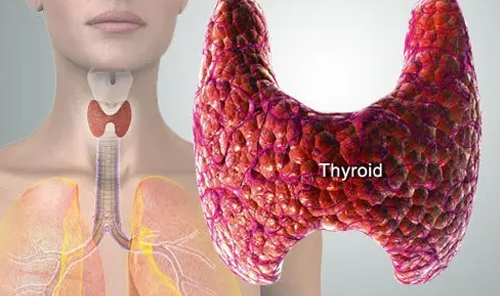
The Thyroid is a small, butterfly-shaped gland located at the front of the neck, just below the Adam’s apple. It plays a crucial role in regulating the body’s metabolism by producing hormones, mainly thyroxine (T4) and triiodothyronine (T3). These hormones influence heart rate, body temperature, energy production, and growth.The Thyroid also helps regulate calcium levels through the hormone calcitonin. It's activity is controlled by the pituitary gland via thyroid-stimulating hormone (TSH). Disorders like hypothyroidism (underactive thyroid) or hyperthyroidism (overactive thyroid) can disrupt bodily functions, causing symptoms ranging from fatigue and weight changes to heart palpitations and mood disturbances.Visit Best Thyroid Specialist in Nashik
Symptoms and Causes of Thyroid Disorder
Thyroid disorders occur when the thyroid gland, located in the neck, produces too much or too little thyroid hormone, affecting metabolism, energy, and overall body function.The two most common conditions are hypothyroidism (underactive thyroid) and hyperthyroidism (overactive thyroid).
Hypothyroidism often develops slowly and can cause fatigue, weight gain, cold intolerance, dry skin, hair thinning, constipation, slow heart rate, depression, and memory issues. Causes include autoimmune diseases like Hashimoto’s thyroiditis, iodine deficiency, certain medications, or congenital conditions.If You are Suffering From sudden weight loss or cold intolerance .Get Treated by Best Thyroid Specialist in Nashik.
Hyperthyroidism on the other hand, accelerates metabolism, producing symptoms such as unexplained weight loss, rapid heartbeat, anxiety, irritability, heat intolerance, sweating, tremors, increased appetite, and sleep disturbances. Graves’ disease, an autoimmune disorder, is the most common cause, but thyroid nodules or inflammation (thyroiditis) can also trigger it.
Other factors influencing thyroid function include genetics, pregnancy, radiation exposure, and nutritional imbalances, particularly iodine and selenium. Thyroid dysfunction can have systemic effects, impacting the heart, brain, and reproductive health. Early recognition is crucial, as untreated thyroid disorders may lead to severe complications like heart problems, infertility, or myxedema (in hypothyroidism) and thyroid storm (in hyperthyroidism). Diagnosis relies on blood tests measuring TSH, T3, and T4 levels, followed by treatment with hormone replacement or medications to regulate hormone production.
How Thyroid is Treated
Best Thyroid Treatment in Nashik depends on whether the thyroid gland is overactive (hyperthyroidism) or underactive (hypothyroidism). In hypothyroidism, where thyroid hormone levels are low, treatment typically includes daily oral levothyroxine, a synthetic hormone that helps restore normal metabolism, energy, and overall body function. Dosage is carefully adjusted through regular blood tests to maintain balanced hormone levels.
For hyperthyroidism, where excess hormones are produced, the Best Thyroid Treatment in Nashik may involve antithyroid medications such as methimazole or propylthiouracil to slow hormone production, radioactive iodine therapy to reduce thyroid activity, or surgery in severe cases. Beta-blockers are often used to control symptoms like rapid heartbeat, tremors, and anxiety. Consistent monitoring and healthy lifestyle changes—such as balanced nutrition, stress control, and avoiding interfering supplements—play a key role in long-term thyroid management.
Treatment
Thyroid treatment focuses on restoring hormonal balance and preventing long-term complications. For hypothyroidism, doctors usually prescribe levothyroxine, a synthetic Hormone taken daily to replace low thyroid levels. Hyperthyroidism is treated with anti-thyroid medicines, radioactive iodine therapy, or surgery, depending on severity and patient response. Regular blood tests help adjust dosage and track progress over time.Schedule an Appointment with Best Thyroid Specialist in Nashik.
Treatment is not instant improvement happens gradually with consistency.Along with medication, lifestyle support such as stress management, proper nutrition, and medication timing plays an important role.Patients looking for the beest thyroid treatment in nashik should seek experienced endocrinologists, accurate diagnosis, and personalized care plans, as thyroid disorders are highly manageable with the right medical guidance and follow-up.
Dr.Rane offers personalised thyroid care — accurate diagnosis, tailored medication or procedural options, and ongoing follow-up to keep hormone levels stable and symptoms controlled.
Prevention & Self-Care
Preventive care plays a big role in successful thyroid management and long-term stability. The first step is regular thyroid function testing, as early detection of hormone imbalance helps avoid complications. Always take prescribed thyroid medication consistently, at the same time each day, and never stop or adjust the dose without medical advice—even if symptoms improve.
A balanced diet is essential. Include iodine, selenium, zinc, and iron from natural foods, but avoid excess iodine unless advised. Limit highly processed foods, soy in large amounts, and excessive caffeine, as these can interfere with hormone absorption. Stress management is non-negotiable—chronic stress directly affects thyroid hormones, so practices like yoga, meditation, and proper sleep matter.
Maintain a healthy weight and regular exercise routine to support metabolism. Avoid smoking and unnecessary supplements that may disrupt thyroid levels.Most importantly, follow up with an experienced specialist who personalizes care. Choosing the Best Thyroid Treatment in Nashik ensures accurate diagnosis, lifestyle guidance, and safe long-term prevention tailored to your condition.
Frequently Asked Question
1)What is the Thyroid Gland?
The thyroid is a small, butterfly-shaped gland in the neck that controls metabolism, energy levels, heart rate, and body temperature.
2)What are Thyroid Disorders?
They occur when the thyroid produces too much hormone (hyperthyroidism) or too little (hypothyroidism).
3)What are common symptoms of hypothyroidism?
Fatigue, weight gain, cold intolerance, dry skin, hair loss, constipation, and depression.
4)What are common symptoms of hyperthyroidism?
Weight loss, rapid heartbeat, anxiety, sweating, tremors, heat intolerance, and insomnia.
5)What causes thyroid disorders?
Autoimmune diseases, iodine imbalance, genetics, pregnancy, medications, or thyroid surgery.
6)How are thyroid disorders diagnosed?
Through blood tests like TSH, T3, and T4 levels, sometimes supported by scans.
7)Can thyroid disorders be cured?
Most can’t be permanently cured, but they are highly manageable with proper treatment.
8)Is thyroid disease common?
Yes. It’s especially common in women and often goes undiagnosed.
9)Can diet affect thyroid health?
Absolutely. Iodine, selenium, zinc, and balanced nutrition play a key role.
10)Can people with thyroid disorders live a normal life?
Yes—if they follow treatment consistently and monitor levels regularly